
McDonough Hedging Services
Choose our professional hedging services for precision, reliability, and lush results that enhance your property's curb appeal and create a private, tranquil outdoor space.
Get a Free QuoteOur McDonough Landscaping & Yard Care Services
When to Schedule Hedging in McDonough, Georgia – Seasonal Guide
In McDonough, Georgia, the best times to schedule hedging are typically late winter through early spring and again in late summer. These periods align with the region’s mild temperatures and reduced risk of frost, which usually ends in early March. Hedging during these windows helps promote healthy regrowth and minimizes plant stress, especially for properties in neighborhoods like Lake Dow North or near Heritage Park, where mature landscapes are common.
Local environmental factors play a significant role in determining the optimal hedging schedule. McDonough’s clay-heavy soils retain moisture but can become compacted, affecting root health. Humidity levels rise in late spring and summer, increasing the risk of fungal diseases if hedging wounds are left exposed. Additionally, areas with dense shade, such as those near Avalon Park, may require different timing compared to sunnier lots. For more information on local climate and municipal guidelines, visit the official city resource.
Local Factors to Consider for Hedging in McDonough
- Proximity to frost dates (typically late February to early March)
- Soil type and drainage, especially in clay-rich areas
- Risk of drought during late summer
- Humidity and shade coverage in established neighborhoods
- Tree and shrub density on your property
- Terrain variations, such as slopes or low-lying areas
- Municipal restrictions or neighborhood association guidelines
Benefits of Hedging in McDonough
Enhanced Curb Appeal
Improved Property Value
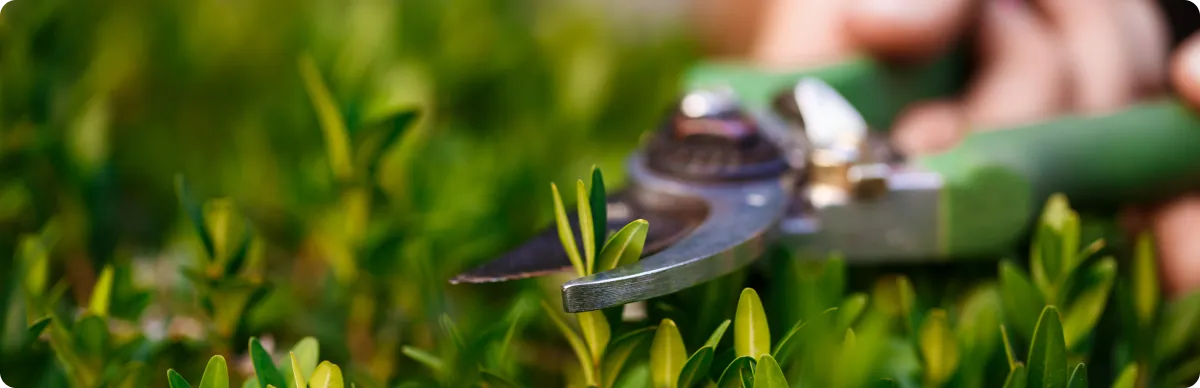
Professional Hedge Shaping
Seasonal Maintenance Expertise
Pest and Disease Prevention
Customized Landscaping Solutions
McDonough Hedging Types

Boxwood Hedges
-
Privet Hedges
-
Yew Hedges
-
Laurel Hedges
-
Holly Hedges
-
Arborvitae Hedges
-
Photinia Hedges
Our Hedging Process
Consultation and Planning
Site Preparation
Precision Trimming
Cleanup and Inspection
Why Choose McDonough Landscape Services
McDonough Homeowners Trust Us
-
Expert Lawn Maintenance
-
Reliable Scheduling
-
Competitive Pricing
-
Professional Team
-
Satisfaction Guarantee
-
Personalized Service
-
Locally Owned and Operated
Hedging and Sightline Safety Along McDonough’s Streets and Intersections
Maintaining hedges along public rights-of-way in McDonough requires careful attention to city ordinances that protect driver and pedestrian visibility. Hedges must not obstruct sightlines at intersections or block sidewalks, especially near school zones and high-traffic corridors. The City of McDonough Code Compliance Division enforces property maintenance standards, including vegetation height and setback requirements. Residents should ensure that hedges are trimmed to remain below 30 inches within visibility triangles and are set back from curbs and sidewalks as specified by local code. Key steps include:
- Regularly inspect hedge height and spread near driveways and corners
- Maintain a minimum clearance from sidewalks and curbs as required by city ordinance
- Remove or trim any growth that impedes public right-of-way access
McDonough Code Compliance Division
136 Keys Ferry Street, McDonough, GA 30253
Phone: (770) 957-3915
Official Website: McDonough Code Compliance Division
Soil Compaction and Drainage Considerations for Hedging in McDonough’s Red Clay
McDonough’s location in the Georgia Piedmont means most properties feature red clay soils, such as the Cecil and Pacolet series, which are prone to compaction and slow drainage. These conditions can stress hedge roots, especially after heavy rainfall or irrigation. To promote healthy hedge growth, property owners should:
- Loosen soil before planting and incorporate organic matter to improve structure
- Avoid planting hedges in low-lying areas with standing water
- Use mulch to moderate soil temperature and moisture
- Select species tolerant of clay and periodic wetness, such as holly or wax myrtle Consulting the USDA Web Soil Survey and UGA Cooperative Extension can provide additional guidance on soil management for hedging in McDonough’s USDA Hardiness Zone 8a.
Seasonal Timing and Best Practices for Hedge Trimming in McDonough
Optimal timing for hedge trimming in McDonough is influenced by the city’s long growing season, warm humid summers, and occasional late frosts. Most evergreen hedges should be pruned in late winter (February to early March) before new growth begins, while flowering hedges are best trimmed immediately after blooming. Key timing and technique recommendations include:
- Avoid heavy pruning during peak summer heat to reduce plant stress
- Schedule maintenance before the onset of spring growth for shape and density
- Use sanitized, sharp tools to prevent disease spread
- Remove all trimmings from the site to prevent clogging storm drains For additional timing and plant-specific advice, refer to UGA Cooperative Extension resources and monitor local weather updates from the National Weather Service.
Green Waste Disposal and City Collection Protocols for Hedge Trimmings
Proper disposal of hedge trimmings in McDonough is essential for compliance with municipal waste management and stormwater protection. The McDonough Public Works Department oversees yard waste collection, which typically requires residents to bundle branches or place trimmings in approved containers. To ensure compliance:
- Place hedge trimmings curbside on designated collection days
- Bundle branches in lengths not exceeding 4 feet and under 50 pounds
- Avoid placing debris in gutters, ditches, or near storm drains to prevent blockages
- Confirm current collection schedules and requirements with the city Improper disposal can result in code violations or contribute to local flooding and water quality issues. For more information, visit the McDonough Public Works Department.
McDonough Public Works Department
500 Industrial Blvd, McDonough, GA 30253
Phone: (770) 957-3915
Official Website: McDonough Public Works Department
Environmental Compliance: Protecting McDonough’s Streams and Stormwater During Hedging
Hedging activities near McDonough’s streams, ponds, and stormwater features must comply with local and state environmental regulations. The Georgia Environmental Protection Division (Georgia EPD) requires that no yard waste, including hedge clippings, enter waterways or storm drains. Sensitive areas such as Walnut Creek and local detention ponds are particularly vulnerable to nutrient runoff and debris. Best practices include:
- Maintain buffer zones of at least 25 feet from streams and wetlands when trimming
- Collect and dispose of all clippings away from drainage inlets
- Avoid use of herbicides or fertilizers near water features unless permitted
- Report any accidental discharges to the city or Georgia EPD These steps help protect McDonough’s water quality and comply with the Clean Water Act.
Georgia Environmental Protection Division
2 Martin Luther King Jr. Drive SE, Suite 1456, Atlanta, GA 30334
Phone: (404) 657-5947
Official Website: Georgia EPD
What Neighborhoods Do We Serve Throughout McDonough, GA?
- Lake Dow North: Features larger lots with mature hedges and proximity to Lake Dow, requiring careful management of runoff and buffer zones near water.
- City Square: Historic district with compact lots and established landscaping, where hedge height and sightline compliance are especially important.
- Crown River: Subdivision with newer development and clay fill soils, presenting challenges for drainage and root establishment in hedging projects.
- Bridlewood: Wooded lots and shaded conditions increase leaf litter and require regular hedge maintenance to prevent overgrowth.
- Wesley Lakes: Neighborhood adjacent to ponds and stormwater features, where proper disposal of hedge trimmings is critical to protect water quality.
- Eagles Landing: Gated community with HOA standards for hedge appearance and frontage maintenance, emphasizing uniformity and code compliance.
- Summer Lake: Features sloped lots and drainage swales, necessitating erosion control and careful placement of hedges to avoid water flow disruption.